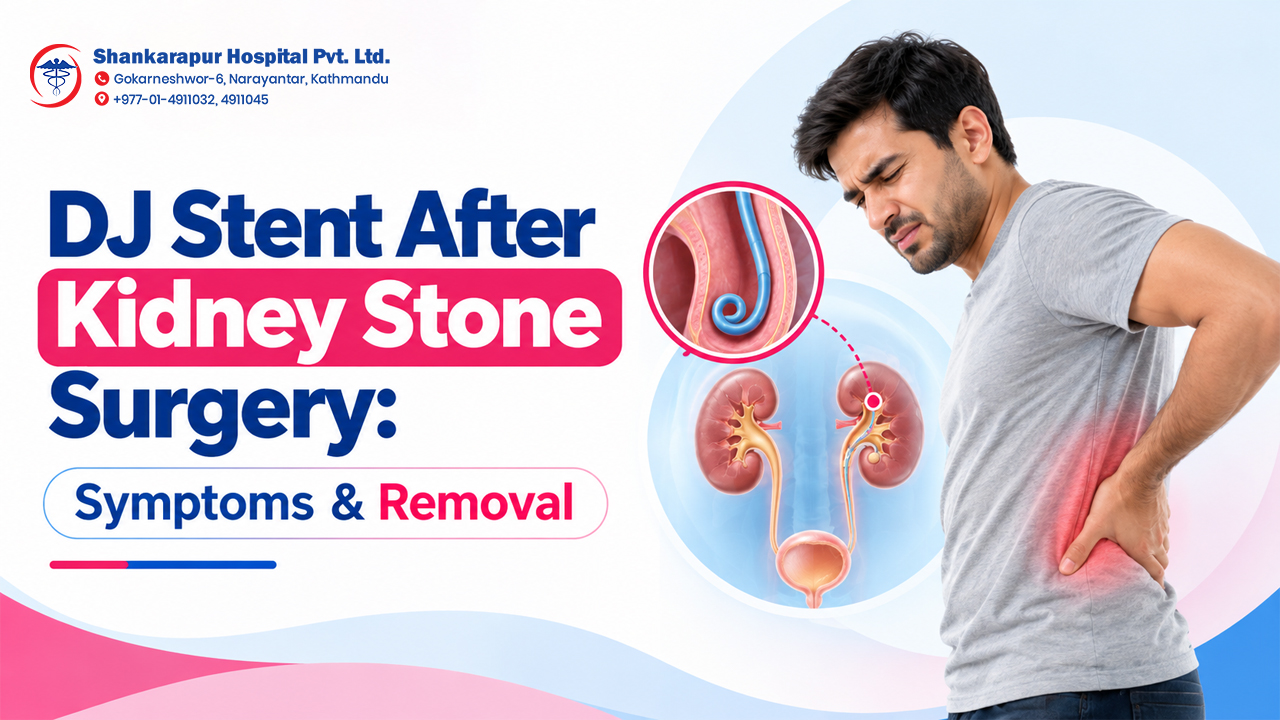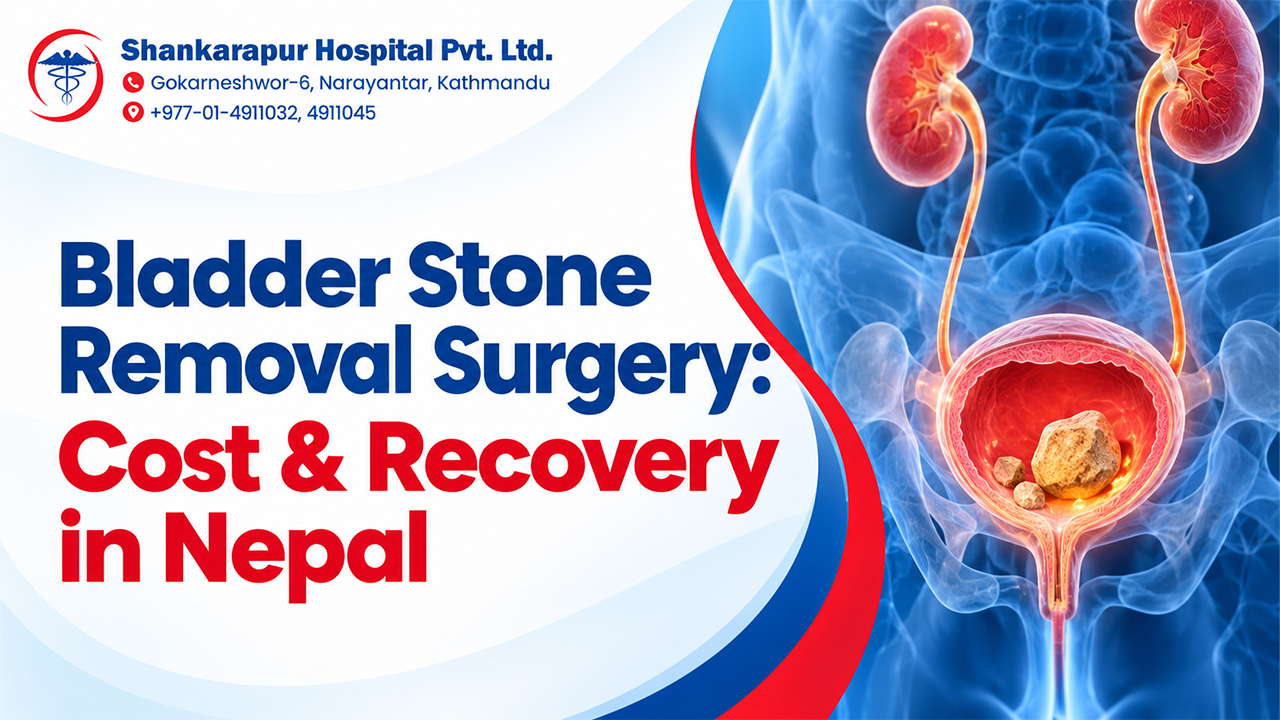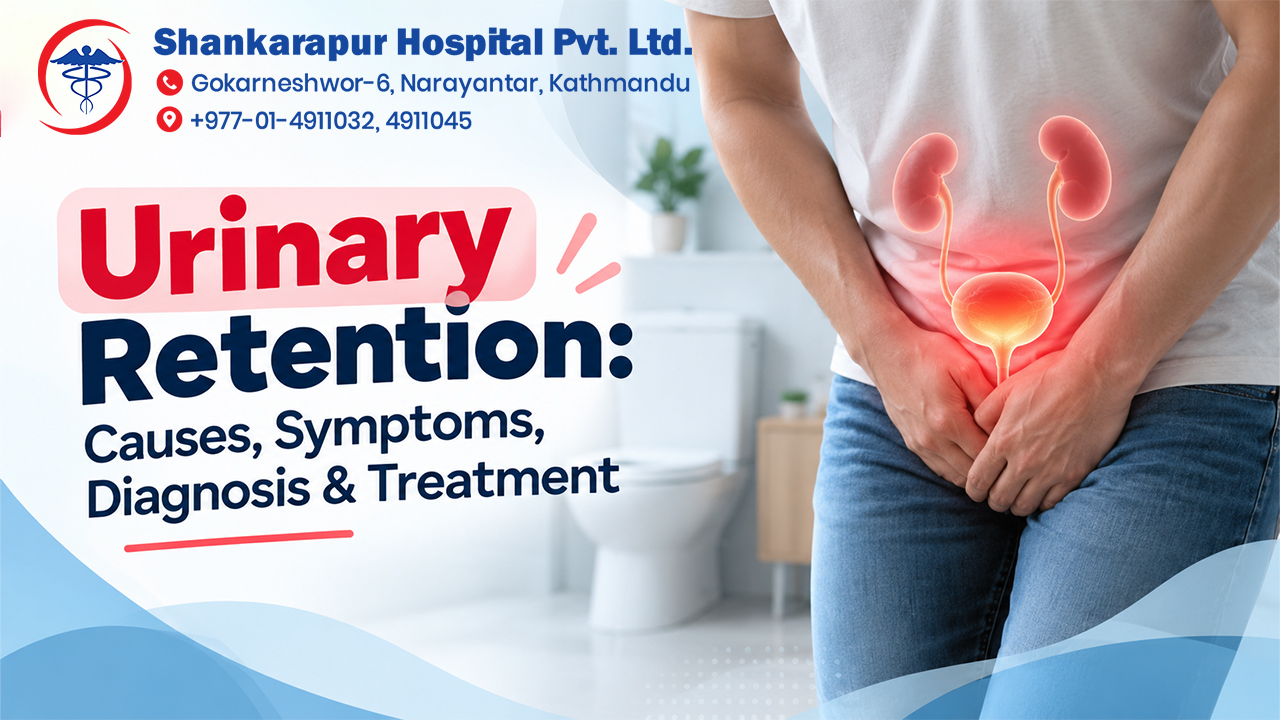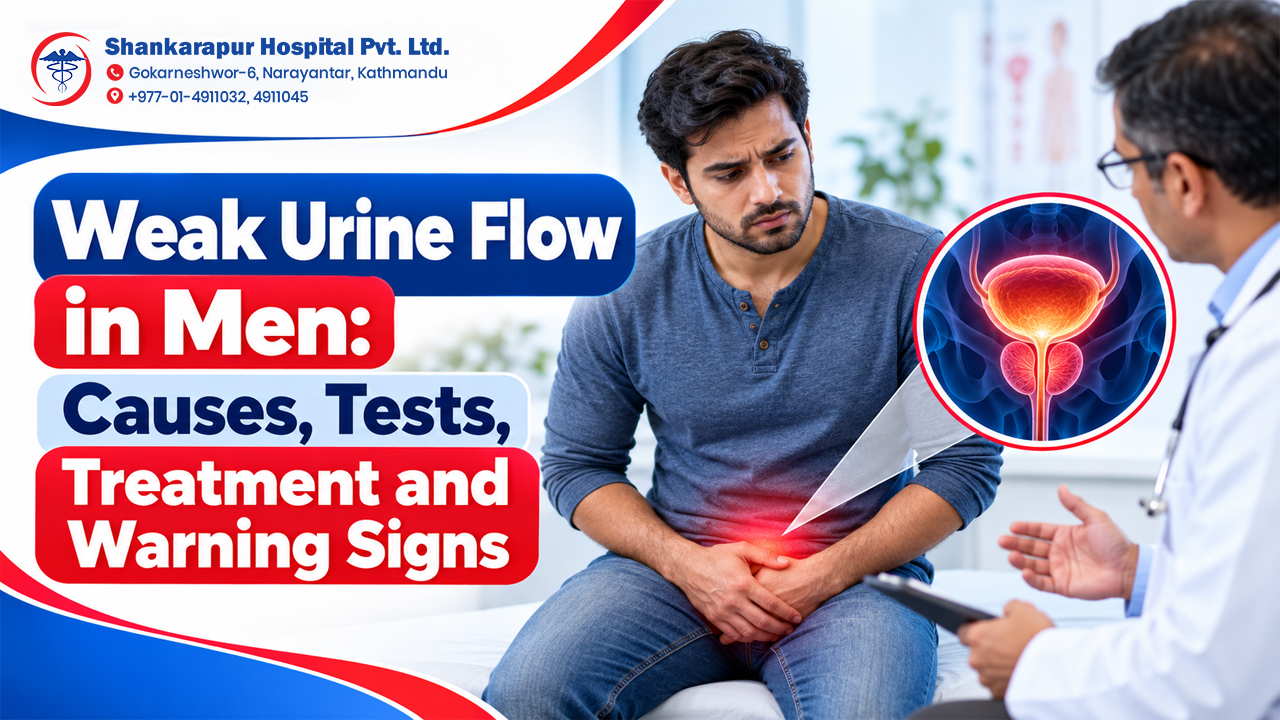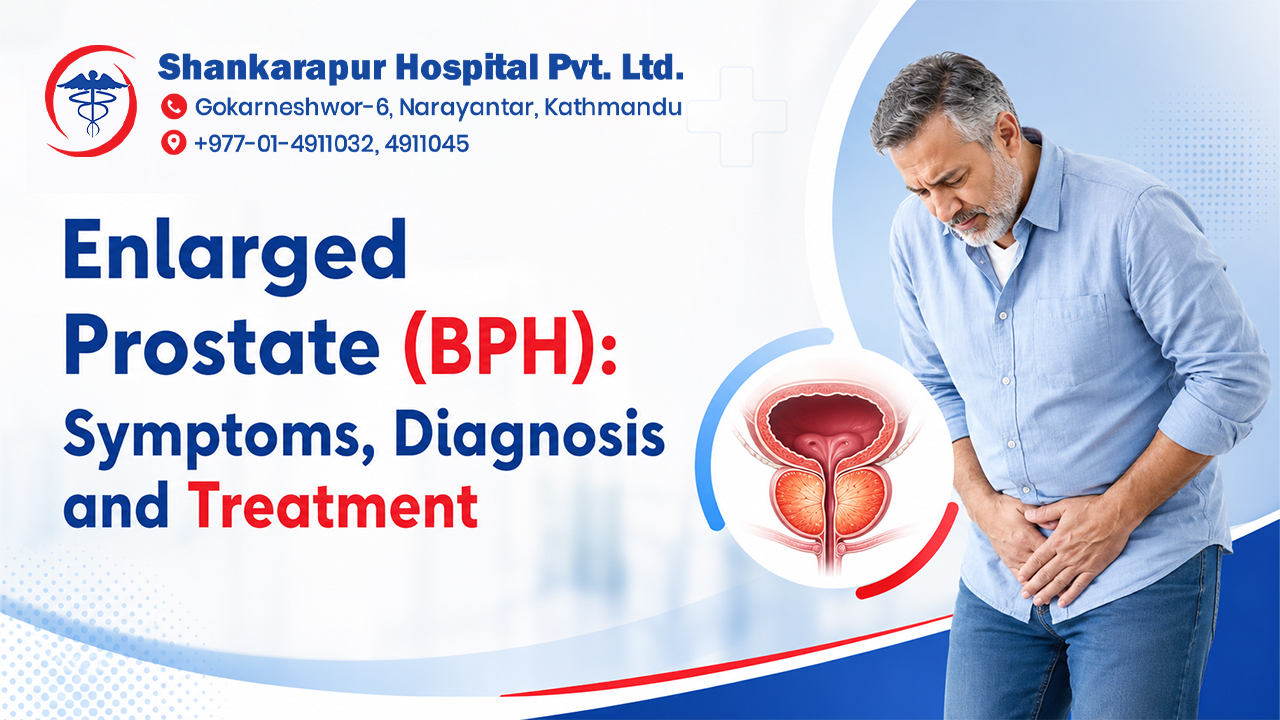
An enlarged prostate, medically called benign prostatic hyperplasia (BPH), is a non-cancerous growth of the prostate gland that can affect the way urine flows. It may cause a weak stream, frequent urination, waking at night to pass urine, urgency, or a feeling that the bladder is not empty. Effective enlarged prostate treatment is available, but the right option depends on symptoms, prostate size, bladder function, overall health, and personal priorities.
BPH is common with ageing, but urinary symptoms should never be self-diagnosed. Similar complaints may occur with urinary infection, prostatitis, bladder problems, stones, or, less commonly, prostate cancer. A urologist can identify the cause and explain the safest next step.
What is an enlarged prostate (BPH)?
The prostate is a small gland below the bladder that surrounds the urethra, the tube that carries urine out of the body. With BPH, the prostate enlarges and can press on the urethra. The bladder then has to work harder to push urine through.
“Benign” means the enlargement is not cancer. However, BPH and prostate cancer can exist in the same person, so new or changing urinary symptoms deserve a proper assessment rather than assumptions.
BPH becomes more common with age. The U.S. National Institute of Diabetes and Digestive and Kidney Diseases estimates that it affects 5–6% of men aged 40–64 and 29–33% of men aged 65 or older. It is the most common prostate problem in men over 50.
What are the symptoms of an enlarged prostate?
Symptoms are often called lower urinary tract symptoms (LUTS). They may develop gradually and vary from person to person. A larger prostate does not always mean worse symptoms; some people with a smaller enlargement may still have significant blockage.
| Symptom | What it may feel like | Why it matters |
|---|---|---|
| Hesitancy | Waiting before urine starts | May suggest obstruction or poor bladder contraction |
| Weak or interrupted stream | Slow flow, stopping and starting | Common with urinary blockage |
| Dribbling | Drops of urine after finishing | Can affect daily comfort |
| Frequency | Passing urine more often than usual | May interrupt work, travel, or sleep |
| Nocturia | Waking repeatedly at night to urinate | Can reduce sleep quality and energy |
| Urgency | Sudden difficult-to-delay need to urinate | May lead to leakage or anxiety outside home |
| Incomplete emptying | Feeling urine remains after passing | May require checking for residual urine |
| Straining | Needing to push to start or keep urine flowing | Needs medical assessment if persistent |
Painful urination, fever, chills, visible blood in urine, severe lower abdominal pain, or sudden inability to pass urine should not be assumed to be BPH. These symptoms may point to infection, retention, stones, or another condition and require prompt medical advice.
For related urinary concerns, read Shankarapur Hospital’s guides to pain while urinating and when to get checked and frequent urination at night.
Is an enlarged prostate the same as prostate cancer?
No. BPH is not prostate cancer and does not automatically turn into cancer. Yet urinary symptoms alone cannot reliably distinguish BPH from other prostate or bladder conditions.
During assessment, a clinician may consider a symptom history, physical examination, urine test, kidney function test, digital rectal examination, PSA blood test when clinically appropriate, ultrasound, urine-flow testing, or other tests based on the situation. PSA is not a stand-alone cancer test because it can rise with BPH, inflammation, infection, and other causes.
The goal is not to order every test for every person. It is to rule out conditions that need different treatment and to understand whether obstruction, bladder strain, or kidney impact may be present.
What causes prostate enlargement?
The exact cause of BPH is not fully understood. It is strongly linked with ageing and age-related hormonal changes. Family history, type 2 diabetes, obesity, low physical activity, cardiovascular disease, chronic kidney disease, and erectile dysfunction are among factors associated with a higher likelihood of BPH.
Some medicines can worsen urinary symptoms in certain people, including some cold and cough products, antihistamines, antidepressants, tranquillizers, and diuretics. Do not stop prescribed medication on your own; ask the treating clinician or a urologist for advice.
How is enlarged prostate diagnosed?
A careful evaluation looks beyond prostate size. A clinician usually asks how symptoms affect daily life, sleep, work, travel, fluid intake, medicines, and history of urinary infection, stones, or surgery.
A practical evaluation may include:
- A validated symptom score, such as IPSS, to measure severity and change over time.
- Urine testing to look for infection, blood, sugar, or other clues.
- Physical examination, which may include a digital rectal examination.
- Blood tests, such as kidney function and selected PSA testing.
- Ultrasound or post-void residual measurement to see whether urine is left in the bladder.
- Uroflowmetry to measure flow rate.
- Cystoscopy, urodynamic testing, or further imaging when symptoms are complex or surgery is being considered.
Shankarapur Hospital’s Diagnostic & Imaging Services publicly list ultrasound, CT scan, digital X-ray, and clinical diagnostic support, which can be relevant when a urologist needs to investigate urinary symptoms.
What are the treatment options for an enlarged prostate?
There is no single “best” enlarged prostate treatment for everyone. Treatment is selected after considering symptom severity, prostate size and shape, urine retention, complications, medicine tolerance, sexual-function priorities, anaesthesia risk, and availability of suitable procedures.
1. Watchful waiting and lifestyle measures
Mild symptoms may be managed with monitoring and practical changes. These do not cure BPH or reliably shrink the gland, but they can reduce bothersome urinary symptoms for some people.
Helpful steps may include reducing fluids close to bedtime, limiting alcohol and caffeine, avoiding long periods of holding urine, taking time to empty the bladder, staying physically active, and reviewing medicines that may worsen urine flow with a clinician.
A useful real-world habit is a three day bladder diary. Record the time and amount of drinks, urination, night-time wake-ups, urgency, and leakage. This gives the urologist more useful information than memory alone.
2. Medicines for prostate enlargement
Medicines are commonly used when symptoms are troublesome but there is no immediate need for a procedure.
Alpha blockers relax muscle in the prostate and bladder neck, so urine may flow more easily. They often improve symptoms relatively quickly, but they do not shrink the prostate. Examples may include tamsulosin, alfuzosin, silodosin, doxazosin, or terazosin.
5-alpha reductase inhibitors (5-ARIs), such as finasteride or dutasteride, can slow prostate growth and may shrink the gland over time. They are more likely to be considered when the prostate is clearly enlarged and treatment aims to reduce progression risk. Their benefit takes months, not days.
Combination therapy may be appropriate for selected people with ongoing symptoms and an enlarged gland. It can work better than either medicine alone in suitable cases, but it can also increase side effects. Phosphodiesterase-5 inhibitors may help some people, particularly when erectile dysfunction is also part of the picture.
A medicine should be chosen after a clinician has reviewed blood pressure, heart medicines, sexual-function concerns, cataract-surgery plans, liver or kidney issues, and other health conditions. Never start or change prostate medication based only on online advice.
3. Minimally invasive procedures
When medicines do not provide enough relief, are not tolerated, or are not preferred, a urologist may discuss minimally invasive therapies. Depending on clinical suitability and local availability, these can use heat, water vapour, implants, or other techniques to remove tissue or widen the channel through the prostate.
The potential benefit is symptom relief with a less invasive approach than traditional surgery. However, suitability, recovery time, effect on ejaculation, cost, long-term durability, and chance of needing retreatment differ from one option to another.
4. TURP and other surgical treatment
Transurethral resection of the prostate (TURP) is a well-established operation that removes obstructing prostate tissue through the urethra, without an external incision. It may be considered when symptoms are severe, medicines have not helped, urine retention occurs, infections or bladder stones recur, kidney function is affected, or blockage is significant.
Shankarapur Hospital’s Urology Department lists prostate enlargement treatment through TURP as part of its urology services. It also states that the department provides medical management and surgical interventions for urological conditions.
Surgery can provide strong and durable relief for appropriate patients, but it has trade-offs. Temporary burning, blood in urine, urgency, catheter use, infection, scar tissue, urinary leakage, erectile issues, or retrograde ejaculation are among potential complications that should be discussed openly before treatment. Further treatment can sometimes be required years later.
Enlarged prostate treatment comparison
| Treatment approach | May be suitable for | Main benefit | Key considerations |
| Monitoring and lifestyle changes | Mild symptoms with low impact on quality of life | Avoids unnecessary medicines or procedures | Does not remove obstruction; needs follow-up |
| Alpha blocker | Bothersome symptoms needing quicker relief | Relaxes the outlet to improve flow | Does not shrink the gland; may affect blood pressure or ejaculation |
| 5-ARI | Confirmed enlargement and longer-term progression risk | Can reduce prostate volume over time | Benefit is gradual; side effects need discussion |
| Combination medicine | Selected patients with enlarged prostate and ongoing symptoms | Can improve symptoms and lower progression risk | More medicines, more possible side effects |
| Minimally invasive therapy | People who do not respond to or prefer not to use medicines | Can relieve blockage with a less invasive approach | Availability, durability, and sexual effects vary |
| TURP or another operation | Severe symptoms, retention, complications, or failed medical treatment | Removes obstructing tissue and can give durable relief | Requires procedural planning and discussion of risks |
What is the most successful treatment for an enlarged prostate?
For symptom relief, the most successful treatment is the one that matches the person’s prostate size, degree of blockage, symptoms, health status, and goals. TURP has a long track record of effective relief for appropriate patients with significant obstruction. However, it is not automatically the first treatment for everyone. Mild symptoms may need monitoring, medicines may be enough for many people, and some patients may be better suited to another procedure.
What is the best medicine to treat prostate enlargement?
There is no one best medicine for every person. Alpha blockers are often used to improve urine flow and symptoms, while 5-alpha reductase inhibitors are used when reducing prostate growth or size over time is important. A combination may help selected people with enlarged prostates and persistent symptoms. The safest choice depends on medical history and possible side effects.
How to reduce prostate size permanently?
No lifestyle change or home remedy is proven to permanently shrink an enlarged prostate. 5-alpha reductase inhibitors can reduce prostate size over time in selected patients, although the effect may not be permanent after the medicine is stopped. Surgical treatments such as TURP remove obstructing tissue more directly and may offer durable relief, but BPH can recur or require further treatment in some people.
Is prostate enlargement cured?
BPH is usually a long-term condition that can be managed effectively. Treatment can reduce symptoms, improve urine flow, prevent complications, and restore quality of life. It is more accurate to say that BPH is controlled or treated rather than permanently cured in every case.
Can an enlarged prostate go back to normal?
An enlarged prostate usually does not return to its younger size on its own. Some medicines can shrink it modestly, and procedures can remove or reduce tissue causing blockage. The relationship between prostate size and symptoms is not simple: a relatively small enlargement can cause major symptoms, while a larger gland may cause few.
How to reduce enlarged prostate without surgery?
For mild-to-moderate symptoms, non-surgical management may include lifestyle changes, bladder habits, medicines, and in selected cases minimally invasive procedures. Limiting late-evening fluids, reducing caffeine and alcohol, being physically active, treating constipation, and reviewing medicines with a clinician may help symptoms.
These steps should not delay care if there is retention, fever, blood in urine, severe pain, recurrent infections, or worsening kidney function.
When should you see a urologist urgently?
Seek urgent assessment if you cannot pass urine at all; have fever and chills with painful, frequent urination; notice visible blood in urine; develop severe lower abdominal pain; or have worsening weakness, vomiting, or severe flank pain. Acute urinary retention can need immediate bladder drainage and assessment.
Shankarapur Hospital provides 24/7 Emergency & Critical Care and lists a 24-hour emergency hotline at 01-4911032.
Choosing a urology hospital in Kathmandu for prostate care
People may search terms such as “Best Urology hospital in Nepal,” “urologist in Nepal,” or “kidney hospital in Kathmandu” when urinary symptoms begin affecting daily life. The most helpful decision is not based on a ranking claim. It is based on whether the hospital can assess the cause properly, offer appropriate treatment pathways, and provide follow-up.
Useful questions to consider include:
- Is there a dedicated urology department and a named urologist?
- Are urine tests, ultrasound, CT, and laboratory services available when needed?
- Can the hospital manage urinary retention or infection urgently?
- Is there a clear plan for medical treatment, procedures, and follow-up?
- Are the expected benefits, risks, and recovery explained clearly?
At Shankarapur Hospital, the Urology Department lists Dr. Wesh Ansari, Urology & Kidney Transplant Surgeon, along with prostate enlargement treatment, urinary-condition care, diagnostic links, and appointment access. Patients can use the hospital’s online appointment page to request a consultation.
For related topics, explore Shankarapur Hospital’s guides on urinary tract infection, kidney stone treatment options, and what to look for in a urology hospital in Nepal.
Key takeaway
An enlarged prostate is common, treatable, and not the same as prostate cancer. The important step is to identify whether BPH is truly causing the urinary symptoms and how much it is affecting bladder function, sleep, quality of life, and kidney health. Evidence-based care may involve monitoring, medicines, minimally invasive treatment, or TURP, depending on individual needs.
Do not ignore a weak stream, repeated night-time urination, incomplete emptying, or new urinary urgency. A timely urology assessment can clarify the cause and help prevent complications.
Suggested author and medical-review line
Written by: Shankarapur Hospital Health Editorial Team
Medical review required before publishing: Consultant Urologist, Shankarapur Hospital
Last updated: July 2026
This article is for public health education and does not replace individual medical advice, diagnosis, or treatment.